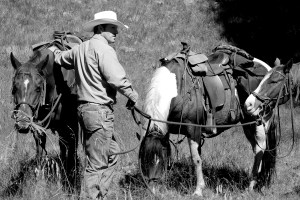
You Might Be A Rural Lawyer

The Rural Lawyer’s Ride Share

With apologies to Jeff Foxworthy…

  • If you think a fortiori is the name of an Italian sports car, you might be a rural lawyer
  • If you think in camera means you haven’t developed the film yet, you might be a rural lawyer
I’m sure the list can go on without degenerating to the rude, the scatological, or playing off an unflattering caricature of the rural southern poor, but my recall of cute legal latin maxims is fading from disuse – there are few instances where one can work something like ignorantia legis neminem excusat into a normal every day conversation. Continue reading

Rural Lawyer The Book

Dear Readers,
Today is something of an event; as Rural Lawyer the blog enters its 3rd year, I am embarking on a new project – writing Rural Lawyer the book. The official press release reads as:

SEATTLE, Nov. 8 – Twenty percent of America’s lawyers practice in towns smaller than 50,000 population, but with the legal job market still in free-fall more lawyers than ever before are actively considering opening a small town or rural practice.

In the absence of any current resources, LawyerAvenue Press, publisher of Solo By Choice, signed Bruce Cameron, a Minnesota-based solo practitioner, to author the first-ever handbook for new grads and unemployed BigLaw associates who dream about leaving the big city to practice law in a smaller, less frantically paced small town or rural community. Bruce, a popular law blogger(rurallawyer.com), balances his own small town practice by writing about practicing law in rural America, where, as he says,“… good neighbors are a mile down the road, the next lawyer is two towns over, and the nearest Starbucks is a good hour away.”

To kick off the book project, Bruce has launched a nationwide search for small town/rural solos at all stages of their careers who are interested in sharing their insights and experiences practicing law in the heartland. To add your voice to the rural lawyering handbook, contact Bruce at b.cameron(at)cameronlawpllc.com for further information.

So, if you care to help with the project, please drop me a line and join in the conversation about rural lawyering. Thanks much.

Looking for Zebras

Background  item #1 – when faced with the task of outfitting a law practice, it does not help when your trusty computer decides that it is time to pack up and move to that great bit-dump in the sky.

Background item #2 – I’m a guy, a pilot and a blooded computer geek which means that shiny gadgets attract me like a trout to a fly. It also means that I’ve a passing knowledge of what can go wrong and the associated costs to fix it. It also means that I’m a wee paranoid about losing client data.

The perfect storm has arrived – I need new hardware; time to go shopping Continue reading

Metrics That Matter: Data Loss

It is estimated that data loss costs U.S. businesses average $12-418 billion per year and, on average, each hour of downtime costs $50,000. The average cost to re-enter 20 megabytes of data is between $17,000 and $19,000 and takes between 19 and 21 days[i]. The cost to recreate data from scratch is estimated to be between $2000 and $8000 per megabyte[ii]. A data loss event can be catastrophic occurrence; 60% of companies that lose their data close within 6 months of the event and 72% fail within 24 months[iii].

The leading causes of data loss are: hardware or system malfunctions (40-44%), human error (29-32%), software corruption (13-14%), computer viruses (6-7%), theft or data breach (9%), hardware destruction or natural disasters (3%)[iv]. The leading causes of data theft are: attacks from external sources (73%), theft by business partners (39%), and attacks from internal sources (18%)[v]. It estimated that: 1 in 5 computers will suffer a fatal hard drive crash within its lifespan, 15% of laptops are stolen or lost (approximately 2000 per day), and, on average, a hard drive fails every 15 seconds[vi]. Continue reading

Virtual Law Office Technology For The Rural Lawyer

Many of my clients are located in rural areas of North Carolina. It would take them an hour to drive to “the big city” to meet with an attorney in person. However, these clients have access to the Internet and like any other segment of the population, they need access to legal services from time to time.

As a way to meet this public need, for the past three years I have used my web-based virtual law office (VLO) to provide online unbundled legal services to clients across the state of NC where I am licensed to practice law. Sometimes the work is transactional, such as drafting contracts, leases, setting up businesses or drafting estate planning documents. Other times I provide basic legal advice and guidance as my clients navigate the justice system as a pro se litigant in their small county courthouse. The public response to a web-based virtual law office as an alternative method of communicating with an attorney has been great. Continue reading